
Barley Grass Extract: The Green Superfood you don’t want t...
The Green Superfood you don’t want to ignore
THE SCIENCE OF PLANT ESSENCE
29 Sep, 2026

Barley Grass Extract: The Green Superfood you don’t want to ignore
-
Holistic Health
-
15 Sep, 2026
If there’s one herbal supplement quietly gaining attention in the wellness world, it’s barley grass extract. Bright green, nutrient-dense and surprisingly versatile, this plant-based supplement is making its way from traditional healing systems into modern daily routines.
But, what exactly is barley grass extract and why are so many people adding it to their smoothies, capsules and wellness regimens? Let’s have a look to it in a clear, practical way.
What is Barley Grass Extract?
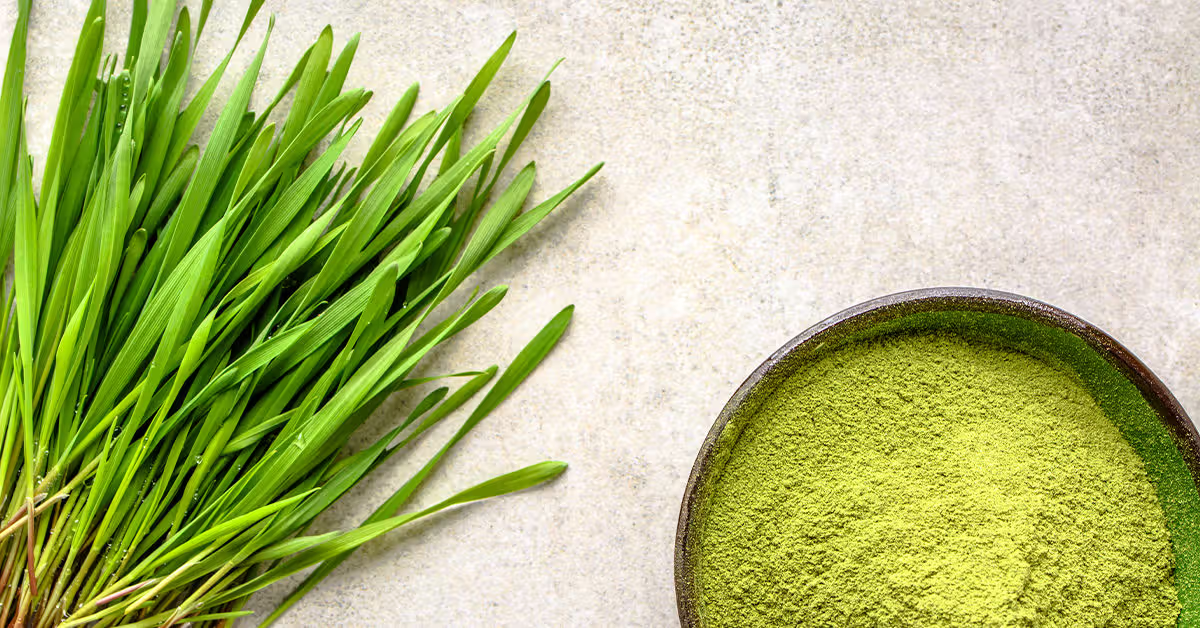
Barley grass comes from the young leaves of the barley plant (Hordeum vulgare), harvested early before the grain forms. At this stage, the plant is packed with vitamins, minerals, enzymes and antioxidants.
The extract is typically available in:
✔️ Powder form (most popular)
✔️ Capsules or tablets
✔️ Liquid extracts
It’s often referred to as a “green superfood” because of its high chlorophyll content and dense nutritional profile.
Why Barley Grass Extract matters today?
Modern lifestyles bring stress, processed foods, pollution and irregular routines. This creates nutritional gaps and increases oxidative stress in the body.
Barley grass extract stands out because it:
✔️ Provides concentrated nutrition in small doses
✔️ Supports detoxification and internal cleansing
✔️ Helps balance diet deficiencies, especially in urban settings
For people aiming toward a holistic lifestyle, it fits naturally into daily wellness habits.
Nutritional Powerhouse: What’s inside?
Barley grass extract is loaded with essential nutrients, including:
✔️ Vitamins: A, C, E, K and B-complex
✔️ Minerals: Iron, calcium, magnesium, potassium
✔️ Antioxidants: Flavonoids and polyphenols
✔️ Chlorophyll: Supports detox and oxygenation
✔️ Enzymes: Like superoxide dismutase (SOD), known for fighting oxidative stress
This combination makes it more than just a supplement. It’s a concentrated nutritional boost.
Key health benefits
1. Supports detoxification
Barley grass is rich in chlorophyll, which helps the body eliminate toxins. It supports liver function and may assist in cleansing the blood.
2. Boosts Energy Naturally
Unlike caffeine-based stimulants, barley grass improves energy by enhancing nutrient intake and supporting metabolic processes.
3. Strengthens Immunity
The antioxidants and vitamins help the body defend against infections and inflammation. Regular use may improve overall resilience.
4. Improves Digestion
It contains enzymes and dietary fiber that:
✔️ Support gut health
✔️ Promote smoother digestion
✔️ Reduce bloating
5. Helps Manage Cholesterol and Blood Sugar
Some studies suggest barley grass:
✦ Lower LDL (bad cholesterol)
✦ Support stable blood glucose levels
This makes it relevant for lifestyle disease management.
6. Promotes Skin Health
Its antioxidant properties help reduce oxidative damage, which can:
✔️ Improve skin clarity
✔️ Slow signs of aging
✔️ Support natural glow
Historical and traditional uses
Barley has been used for centuries across cultures, especially in Asia and the Middle East.
✔️ In ancient Egypt, barley was used as a staple food and medicinal plant
✔️ Traditional Asian practices used barley grass juice for detox and vitality
✔️ In natural healing systems, it was valued for cooling the body and cleansing the blood
While earlier uses were more food-based, modern extraction techniques have made its benefits more concentrated and accessible.
Modern Applications
Today, barley grass extract is widely used in:
1. Functional Foods
Added to:
✔️ Smoothies
✔️ Green juices
✔️ Protein shakes
2. Dietary Supplements
Available in capsules for convenient daily intake.
3. Detox Programs
Included in short-term cleansing or long-term wellness routines.
4. Sports Nutrition
Athletes use it for:
✔️ Recovery support
✔️ Nutrient replenishment
5. Preventive Health
Increasingly used as part of a proactive health strategy rather than reactive treatment.
How to use barley grass extract?
Recommended intake
✦ Powder: 1–2 teaspoons daily
✦ Capsules: As per manufacturer instructions
Best time to take it
✦ Morning on an empty stomach for better absorption
✦ Before meals for digestive support
How to consume?
✦ Mix with water or juice
✦ Blend into smoothies
✦ Add to herbal drinks
Start with a small dose and gradually increase to avoid digestive discomfort.
Who can benefit most?
Barley grass extract is especially useful for:
✔️ People with low vegetable intake
✔️ Individuals with high stress or fatigue
✔️ Urban populations exposed to pollution
✔️ Those focusing on detox and weight management
✔️ Health-conscious individuals aiming for preventive care
Barley Grass in the Nepalese context
In Nepal, where herbal traditions are deeply rooted, barley grass aligns well with local wellness practices. With increasing awareness about natural healing and holistic health, it can complement traditional herbs like tulsi, turmeric and ashwagandha.
Its ease of use makes it practical even for busy urban lifestyles in cities like Kathmandu.
So, in summary, Barley grass extract is not a magic cure, but it’s a strong addition to a balanced lifestyle. It offers a simple way to boost nutrition, support detoxification and improve overall well-being.
If you’re looking for something natural, versatile and backed by both tradition and modern science, barley grass extract is worth trying. The key is consistency. Like most herbal supplements, its real benefits show up over time, not overnight.
Barley - Barley grass extract
Barley grass, sometimes called barley greens, comes from young barley plants that haven’t started making seeds. During this stage of the plant’s life, it’s full of nutrients that help it grow larger leaves and seeds. You can take advantage of those barley grass benefits by eating the grass while it’s young in the form of barley grass extract.
Buy Now Online
More Blogs are
Holistic Diet: A Practical Guide to Health, Balance and Sustainable Living
Importance of Herbs in Our Daily Lives
Mental Health and Well-being: A Holistic Path to Inner Balance