
Green Tea for Health and Longevity




Green Tea for Health and Longevity
-
Holistic Health
-
08 Sep, 2026
Green tea is more than just a beverage. It is a tradition, a medicine and a daily ritual that has been valued for centuries across Asia and beyond. Known for its fresh taste and powerful health benefits, green tea comes directly from the leaves of Camellia sinensis, the same plant used to make black and oolong tea. What sets green tea apart is how it is processed and preserved, allowing it to retain its natural compounds.
Today, green tea is widely recognized for supporting overall wellness, preventing chronic diseases, and promoting a balanced lifestyle. Let’s explore its natural origin, traditional uses, processing methods, health benefits and why it continues to be relevant in modern life.
Nature and Origin of Green Tea
Green tea is derived from the tender leaves and buds of the Camellia sinensis plant, which thrives in warm, humid climates with well-drained soil. It has been cultivated for thousands of years, particularly in China, Japan, India and parts of Southeast Asia.
Unlike black tea, green tea leaves are minimally oxidized. This helps preserve their natural green color and bioactive compounds such as catechins, polyphenols and antioxidants. These compounds are responsible for green tea’s refreshing taste and many of its health-protective properties.
In nature, green tea is light, earthy and slightly bitter, reflecting its purity and minimal processing. High-quality green tea often has a grassy aroma and a clean, smooth finish.
Traditional Uses of Green Tea
Green tea has deep roots in traditional medicine and cultural practices.
- In Traditional Chinese Medicine (TCM)
Green tea has been used to improve digestion, clear body heat, promote mental alertness and detoxify the body. It was often recommended to support heart health and maintain balance within the body. - In Japanese Culture
Green tea plays a central role in the Japanese tea ceremony, symbolizing harmony, respect, purity and calmness. Matcha, a powdered form of green tea, was traditionally consumed by monks to enhance concentration during meditation. - In Ayurveda
Green tea is considered light and cleansing. It has been used to support metabolism, reduce excess body fat, and improve overall vitality when consumed in moderation.
Across cultures, green tea was valued not only for physical health but also for mental clarity and emotional balance.
Processing Method of Green Tea
The health value of green tea largely depends on how it is processed. The goal is to prevent oxidation and preserve its natural compounds.
Young tea leaves and buds are hand-picked, usually during early spring when nutrient content is highest. Soon after harvesting, the leaves are heated to stop oxidation. Heating si usually done by Steaming, which preserves a bright green color and fresh taste or by pan-firing, which gives a slightly roasted flavor.
Then, the leaves are gently rolled to release natural oils and shape them into characteristic forms. The leaves are dried to remove moisture and enhance shelf life without losing potency. Minimal processing ensures green tea retains high levels of antioxidants, making it one of the healthiest beverages in the world.
Key Health Benefits of Green Tea
Rich in Antioxidants
Green tea is packed with catechins, especially epigallocatechin gallate (EGCG), which helps neutralize harmful free radicals. This protects cells from damage and slows down aging.
Supports Heart Health
Regular consumption of green tea may help reduce bad cholesterol (LDL), improve blood circulation, and support healthy blood pressure levels. This lowers the risk of cardiovascular diseases.
Boosts Metabolism and Weight Management
Green tea is known to enhance fat oxidation and improve metabolic rate. It is often included in natural weight-management routines due to its ability to support calorie burning without harsh stimulants.
Improves Brain Function
Green tea contains a balanced amount of caffeine and L-theanine. This combination promotes alertness, focus, and mental clarity without causing restlessness or energy crashes.
Supports Blood Sugar Control
Green tea may improve insulin sensitivity and help regulate blood sugar levels, making it beneficial for people at risk of type 2 diabetes.
Enhances Immune Function
The polyphenols in green tea have antimicrobial and anti-inflammatory properties, supporting immune defense and overall resilience.
Promotes Healthy Skin
Green tea helps reduce inflammation, supports collagen protection, and protects the skin from UV damage. It is commonly used in both dietary and topical skin-care practices.
Overall Benefits and Daily Use
Green tea is a simple yet powerful addition to daily life. It hydrates the body while delivering nutrients that support long-term health. Unlike sugary drinks or excessive caffeine sources, green tea provides gentle stimulation and deep nourishment.
Why Include Green Tea in Your Routine?
- Natural detox support
- Sustained energy without jitters
- Improved digestion and gut health
- Stress reduction and mental calmness
- Support for longevity and disease prevention
For best results, green tea should be brewed with warm (not boiling) water and consumed fresh. Two to three cups per day are generally considered safe and beneficial.
Green tea stands as a perfect example of how nature provides simple solutions for complex health challenges. With its rich history, minimal processing, and proven health benefits, green tea continues to bridge traditional wisdom and modern science.
Buy Online
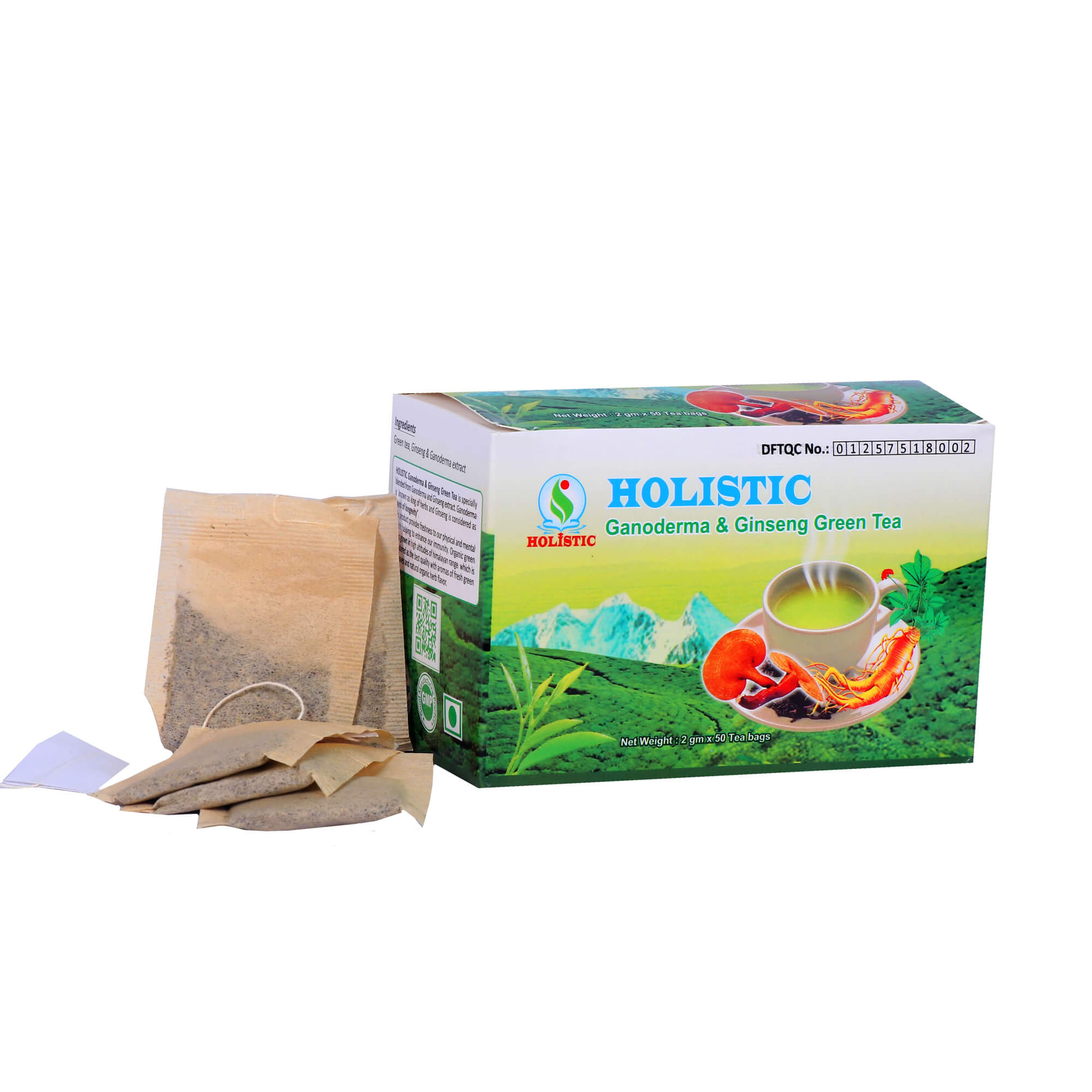
G&G Green Tea
Ganoderma & Ginseng Green Tea
Ganoderma and ginseng Green Tea is a perfect blend of green tea and herbs. It provides all necessary antioxidants for our body and also possess the greatness of Ganoderma and Ginseng.
Buy Online
More Blogs are
Ganoderma & Ginseng Black Coffee:
Mysterious Human Body: Nature’s Most Brilliant Creation
The Power of Nature: Holistic Health Backed by Science!